1. Introduction: The New Digital Oil is Compute 🤖
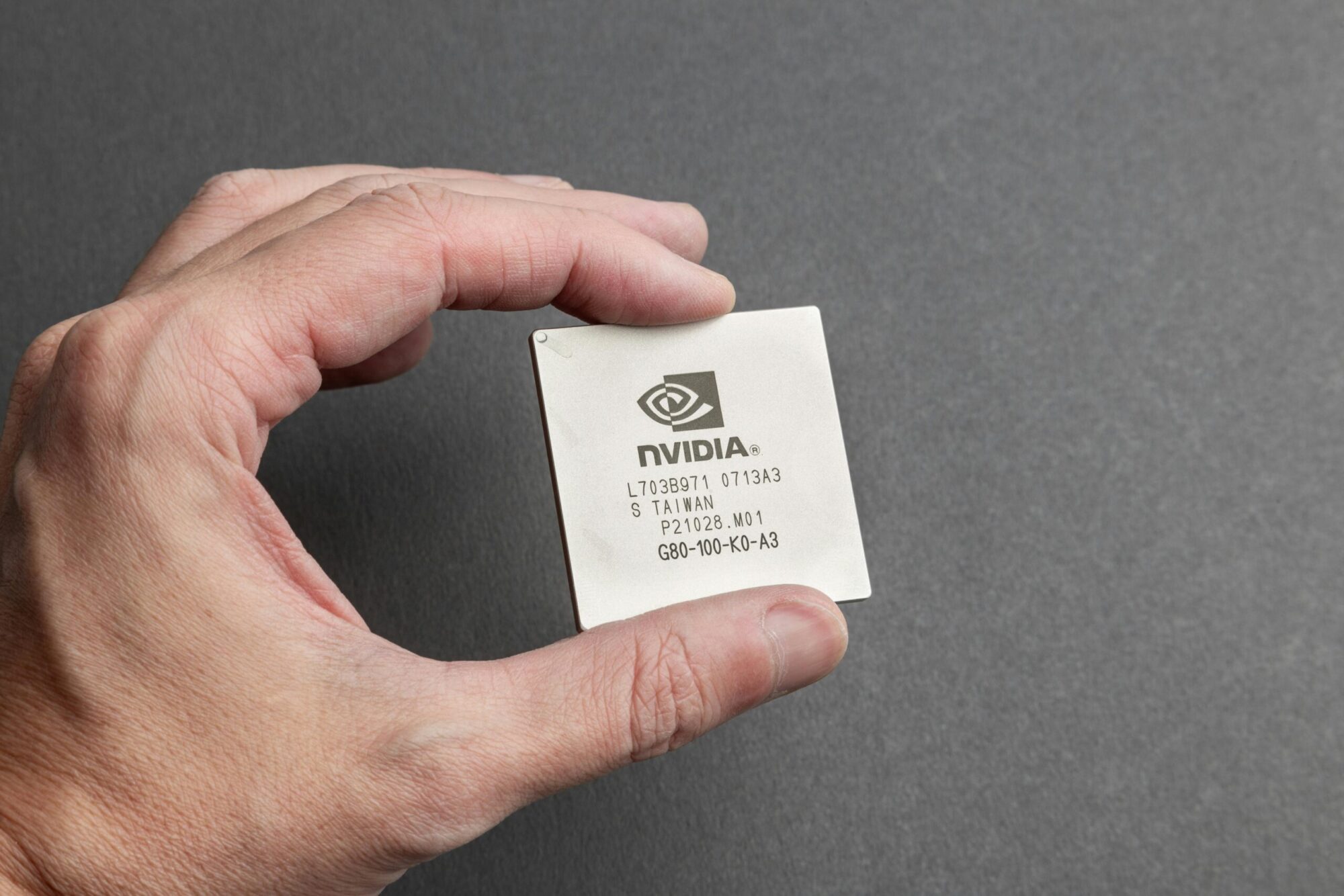
The artificial intelligence revolution is not just about software; it’s powered by immense computational hardware, specifically high-end Graphics Processing Units (GPUs). There is a global shortage of this compute power. For tech-savvy passive investors, building and leasing out access to a high-performance computing (HPC) rig is a new-age infrastructure play that generates significant income.
2. The Business Model: Compute-as-a-Service
The concept is simple. You invest in the expensive hardware—server racks filled with top-tier GPUs like the NVIDIA A100 or H100. You then partner with a data center or a management service that leases out this computing power by the hour to customers who need it for:
- Training large AI models.
- Scientific and medical research simulations.
- Visual effects (VFX) rendering for movies.
- Cryptocurrency mining (though this is a less stable use case).
3. Why This Isn’t Crypto Mining
While the hardware is similar, the business model is different and more stable. In crypto mining, your revenue is tied to the volatile price of a single cryptocurrency. In leasing compute power, you are selling a utility—processing time—for a fixed dollar rate, paid by a diverse range of B2B customers.
4. The Passive Investor’s Path: Managed Hardware
This is not about putting a noisy server in your garage. To make this passive, you would:
- Fund the Hardware: You purchase the GPU servers, which is the main capital expense.
- Use a Colocation Data Center: You pay a fee to have your hardware professionally installed and maintained in a secure, climate-controlled data center with high-speed internet and reliable power.
- Partner with a Compute Marketplace/Manager: You list your hardware on a platform like Vast.ai or RunPod, or sign a deal with a managed service. They find the customers, handle the billing, and manage the software layer for a share of the revenue.
5. The Financials: A High-Capex, High-Return Model
- Upfront Cost (Capex): This is high. A single server with 8 high-end GPUs can cost over $100,000.
- Operating Costs (Opex): Your main costs are the data center fees for power, cooling, and space.
- Revenue: A high-end GPU can be leased for $1-2 per hour. A server with 8 GPUs running 24/7 could theoretically generate thousands of dollars per month. The passive income is the revenue minus your opex and the manager’s cut.
6. The “GPU Rich”: Sourcing the Hardware
The biggest challenge right now is the global shortage of high-end GPUs. The long waitlists are a barrier to entry, but also what keeps the leasing prices high. Gaining access often requires working through specialized hardware vendors or buying into a fund that has pre-existing relationships with manufacturers.
7. Your Role: The Silent Capital Partner
Once the hardware is purchased and set up in the data center under a management agreement, your role becomes entirely passive. You are the “Silicon Landlord” who owns the digital real estate. You monitor your revenue dashboard and receive monthly payouts.
8. Who Are the Customers in the US?
The US is the epicenter of the AI boom, creating a massive customer base:
- AI Startups: Thousands of startups in Silicon Valley and beyond need to train their models but can’t afford to buy the hardware themselves.
- Universities and Research Labs: Performing academic research that requires supercomputing power.
- Pharmaceutical Companies: Running molecular simulations for drug discovery.
9. Analyzing the ROI: Utilization Rate is Key
Your return on investment is highly dependent on the utilization rate—the percentage of time your GPUs are actively being leased and paid for. A good management platform will ensure your hardware has minimal idle time, maximizing your income.
10. Risks: Technological Obsolescence and Competition
- Obsolescence: The tech world moves fast. A top-of-the-line GPU today will be surpassed by a new model in 18-24 months. The value of your hardware will depreciate.
- Competition: Large cloud providers like Amazon AWS and Google Cloud are the main competitors. However, the current demand is so high that there is plenty of room for smaller, specialized providers.
- Hardware Failure: Components can fail and will need to be replaced, creating unexpected maintenance costs.
11. The Semi-Passive Alternative: Building Your Own Small Rig
For those with more technical skill, building a smaller rig at home and leasing it out on a decentralized compute platform can be a starting point. This requires more active management but has a much lower barrier to entry.
12. Final Thoughts: A Bet on the Engine of the Future
Leasing high-performance compute is a direct investment in the engine of the AI revolution. It’s a capital-intensive strategy with unique technological risks, but it offers the potential for incredibly high, B2B-driven passive income for those who can secure the hardware and find the right management partner.