1. Introduction: The Engine Room of the World
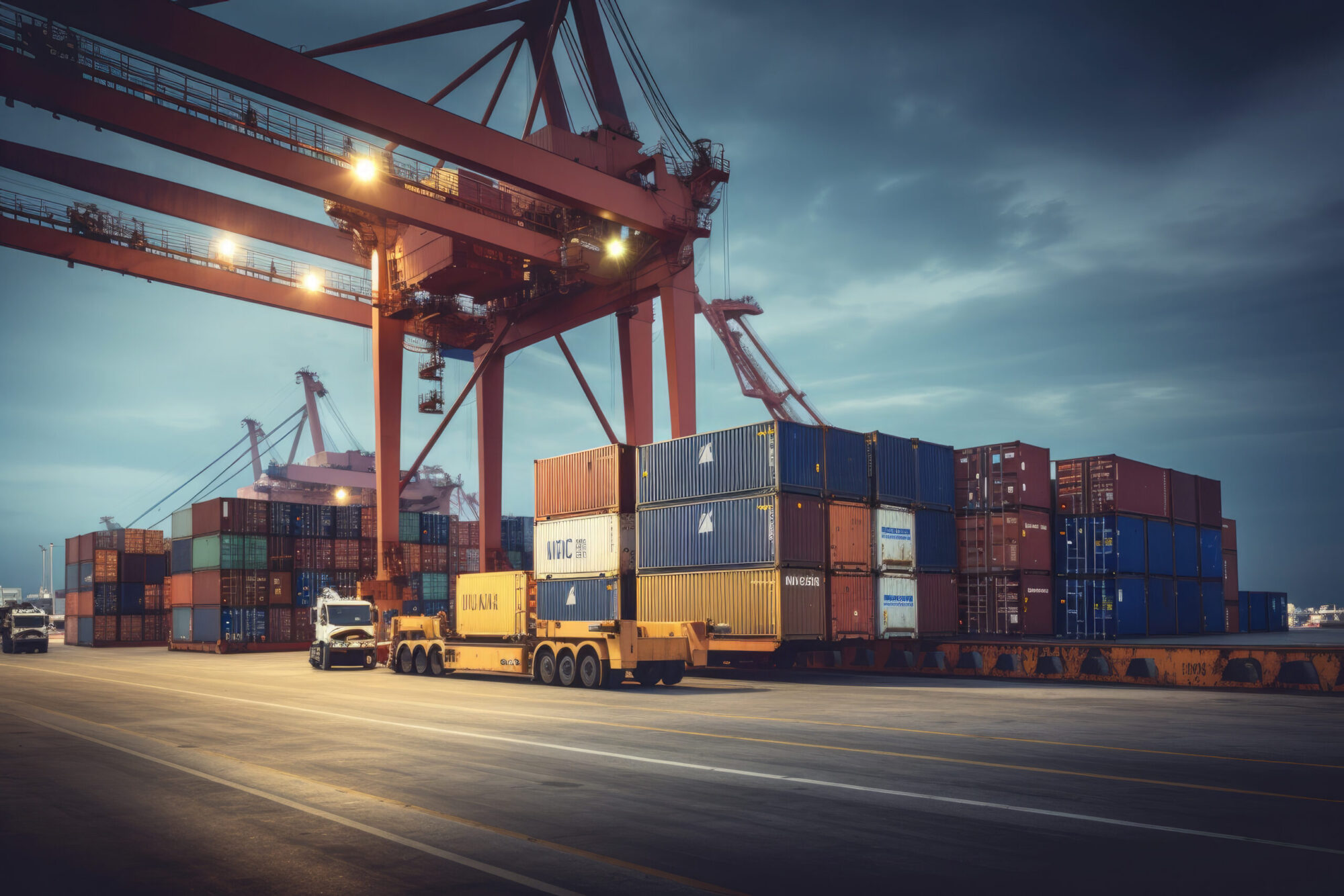
Asia is the world’s manufacturing powerhouse. But for every smartphone, car part, or piece of clothing made, there is a complex network of ports, warehouses, railways, and shipping lanes that brings it to the global market. Investing in this critical logistics and supply chain infrastructure is a powerful way to generate passive income by owning a piece of the engine that drives the global economy.
2. Why Asian Logistics is a Megatrend
With rising e-commerce, the growth of manufacturing in countries like Vietnam and Indonesia, and China’s Belt and Road Initiative, the demand for modern, efficient logistics is exploding. This isn’t a short-term trend; it’s a multi-decade structural shift that you can invest in for long-term passive growth.
3. Your Investment Options: From Ports to Warehouses
You can invest in this sector through several avenues:
- Publicly Listed Port Operators: Companies that run major ports in Singapore, Hong Kong, or Shanghai.
- Logistics Real Estate Investment Trusts (REITs): Trusts that own and operate vast portfolios of modern warehouses and distribution centers.
- Rail and Shipping Companies: Corporations that own the physical assets that move goods across the continent and the world.
- Logistics-Focused ETFs: Funds that provide diversified exposure to the entire sector with a single purchase.
4. Spotlight on Southeast Asia (ASEAN)
While China is a major player, the real growth story is in the ASEAN bloc (Vietnam, Indonesia, Malaysia, Thailand, etc.). As companies diversify their manufacturing bases away from China (“China Plus One” strategy), these nations are seeing a massive influx of investment in new factories, ports, and logistics parks.
5. The Rise of “Smart Warehouses”
This isn’t about old, dusty sheds. Modern Asian logistics centers are high-tech facilities featuring robotics, AI-driven inventory management, and cold storage capabilities for food and pharmaceuticals. These are high-value assets that command premium rents, generating stable cash flow for investors.
6. How to Invest from Abroad
Most major Asian logistics companies and REITs are listed on accessible stock exchanges like the Hong Kong Stock Exchange (HKEX) or the Singapore Exchange (SGX). Many international brokerage accounts provide direct access to these markets. Alternatively, investing in a broad Asia-focused ETF with a high allocation to the industrial/logistics sector is a simpler option.
7. Analyzing a Logistics Investment: Key Metrics
When evaluating a logistics company or REIT, look for:
- Occupancy Rates: High occupancy (95%+) in their warehouses indicates strong demand.
- Customer Diversification: A good mix of tenants from different industries (e.g., e-commerce, automotive, consumer goods) reduces risk.
- Geographic Location: Properties located near major ports, airports, and population centers are most valuable.
- Dividend/Distribution Yield: Look for a history of stable and growing payouts.
8. The E-Commerce Fuel: A Never-Ending Tailwind
The rapid growth of e-commerce platforms like Shopee, Lazada, and Alibaba is a primary driver for logistics demand. Every online order requires a sophisticated network of fulfillment centers and last-mile delivery hubs, all of which represent investment opportunities.
9. Currency Risk and How to Manage It
When investing in Asia, you are exposed to currency fluctuations. If the local currency (e.g., Singapore Dollar) weakens against your home currency, it can reduce your returns. Some investors hedge this risk using currency-hedged ETFs, while others accept it as a part of international investing.
10. Geopolitical Risks: Navigating Trade Tensions
Trade tensions and supply chain disruptions (as seen during the pandemic) are a real risk. However, they can also be an opportunity. Companies that own well-positioned and diversified logistics networks can actually benefit as businesses seek more resilient and flexible supply chain solutions.
11. A Case Study: The Port of Singapore
The Port of Singapore is one of the busiest in the world, a critical transshipment hub connecting East and West. Investing in companies that service this port or own warehouses nearby is a direct bet on the continued flow of global trade through Asia.
12. Final Thoughts: Building Wealth on the Backbone of Trade
Investing in Asian logistics is a tangible way to profit from the continent’s economic growth. You are not betting on a single product or brand, but on the fundamental, enduring need to move goods from producer to consumer. It’s a robust, long-term strategy for building a globally diversified passive income stream.