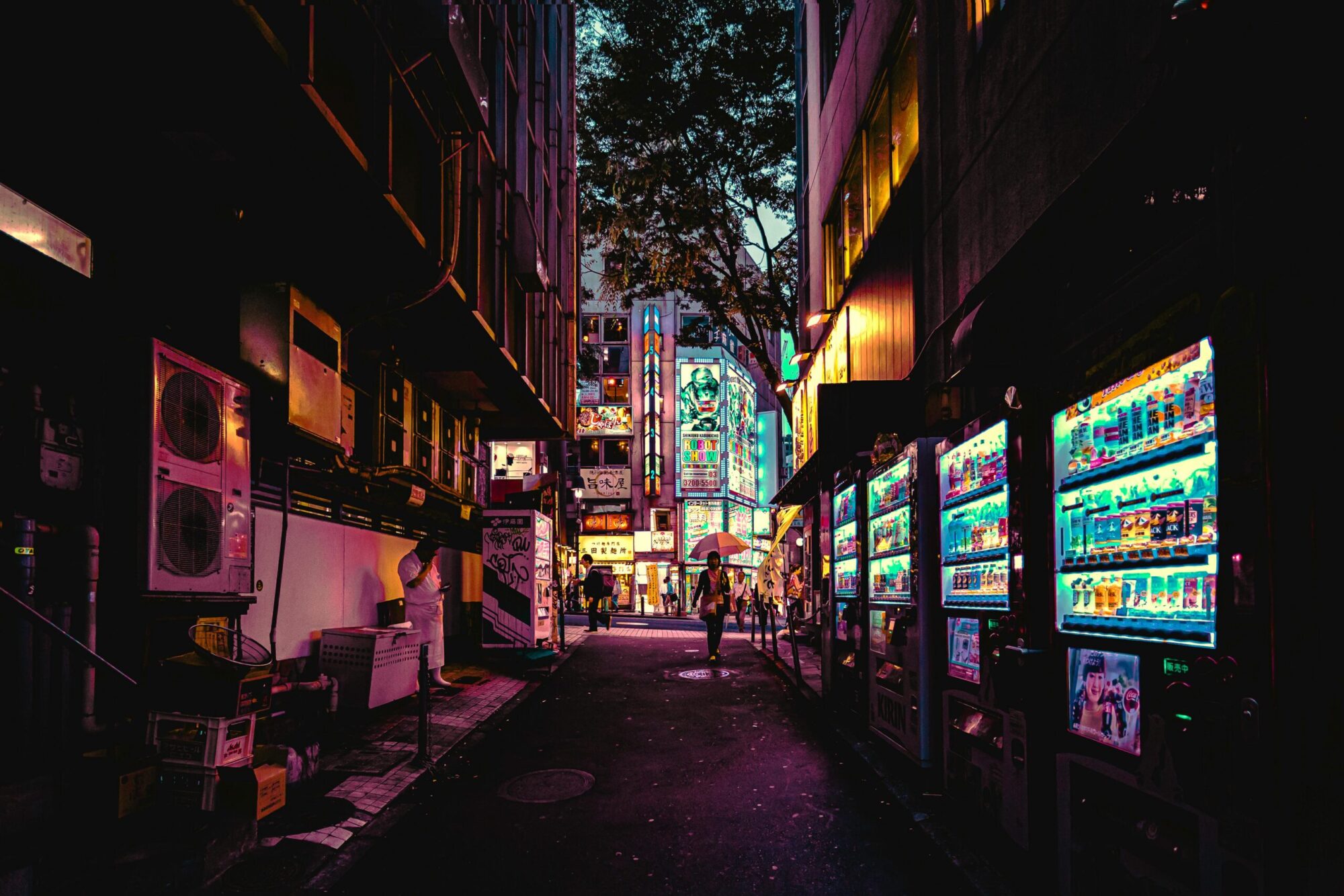
In America’s fast-paced, convenience-driven culture, a simple machine in the right location can become a reliable cash-generating asset. Building a route of vending machines or private ATMs is a classic, tangible business that leverages location and automation to create a surprisingly passive stream of income.
Introduction
While not as glamorous as tech stocks, the business of automated retail—vending machines and ATMs—is a multi-billion dollar industry in the United States. It’s a nuts-and-bolts enterprise that rewards smart location scouting and efficient systems. For the hands-on investor, it offers a path to building a scalable, semi-passive income stream that operates 24/7.
Definition & Explanation
- Vending Machine Route: This involves owning and placing vending machines (for snacks, drinks, coffee, etc.) in strategic locations like offices, schools, and laundromats. The income is the profit from the items sold.
- ATM Route: This involves placing privately-owned ATMs in high-traffic cash businesses like convenience stores, bars, or event venues. The income is generated from the surcharge fee on each transaction.
The “passive” nature comes from the fact that once a machine is placed, it earns money without your direct presence. The “active” component is the periodic need to restock products or refill cash.
Rise in Popularity
This business model has been a staple of American entrepreneurship for decades. However, its popularity as a side hustle has surged recently due to technology. Modern machines come with remote monitoring software that tells you exactly what’s sold and how much cash is in the machine, allowing you to manage your route efficiently from a smartphone. This technology minimizes wasted trips and maximizes profitability.
Why People Choose This Method
- Tangible Asset: You own a physical machine that has intrinsic value.
- Simple Business Model: The concept is easy to understand: buy low, sell high, and keep the machine running.
- Scalability: You can start with one machine and slowly build a route of 10, 20, or 100 machines as your capital and confidence grow.
- High Cash Flow: These are cash-based businesses that provide immediate returns.
Benefits
- Short-term: Immediate income as soon as the machine is placed and operational.
- Long-term: A well-established route can be managed in just a few hours a week, providing a stable and predictable monthly income. The entire route can also be sold as a turnkey business for a significant profit.
Risks & Limitations
- Location is Everything: A machine in a bad location will not make money. Finding and securing high-traffic spots is the biggest challenge.
- Vandalism and Theft: Machines can be damaged or broken into.
- Maintenance: Machines can break down and require repairs.
- Capital Intensive Start: A new vending machine can cost $3,000-$7,000, and an ATM costs $2,000-$5,000. You also need capital for inventory or cash to fill the ATM.
Economic & Cultural Factors
America’s on-the-go lifestyle and large network of small businesses create endless placement opportunities. The prevalence of both large corporations (for office placements) and independent businesses (for retail placements) provides a diverse market for operators.
Taxation & Legal Aspects
In the U.S., this is considered an active business. You must register your business, and the income is subject to federal and state taxes. You can, however, take significant tax deductions for business expenses, including the cost of the machines (via depreciation), inventory, and vehicle mileage. Sales tax must also be collected and remitted on vended items.
Strategies to Maximize Returns
- Find the Right Niche: Don’t just offer generic soda and chips. Consider healthier options for gyms or high-end coffee for corporate offices.
- Technology is Your Friend: Use machines with credit card readers and remote monitoring to maximize sales and efficiency.
- Negotiate Location Contracts: Secure a formal contract with the business owner, clearly stating the terms and any commission you might pay them on sales.
- Buy Used or Refurbished: Start your route with reliable used machines to lower your initial capital outlay.
Practical Regional Case Studies
- An Entrepreneur in Florida: Starts with three snack machines placed in local barbershops and auto repair waiting rooms. Using remote monitoring, he only restocks them once a week. The net profit of ~$150 per machine per month covers his car payment.
- A Retiree in Chicago: Buys a small, existing ATM route of 10 machines located in cash-heavy businesses like bars and nail salons. He spends about 4 hours every two weeks refilling the machines with cash, generating a passive income of over $2,500 per month from transaction fees.
Conclusion: Future Outlook
Convenience will never go out of style. While payment methods evolve, the fundamental need for quick access to snacks, drinks, and cash remains. The future of the industry lies in “smart” vending machines and specialized retail (e.g., vending machines for electronics or PPE). For the practical American investor, these automated storefronts remain a durable and profitable avenue for building passive income.