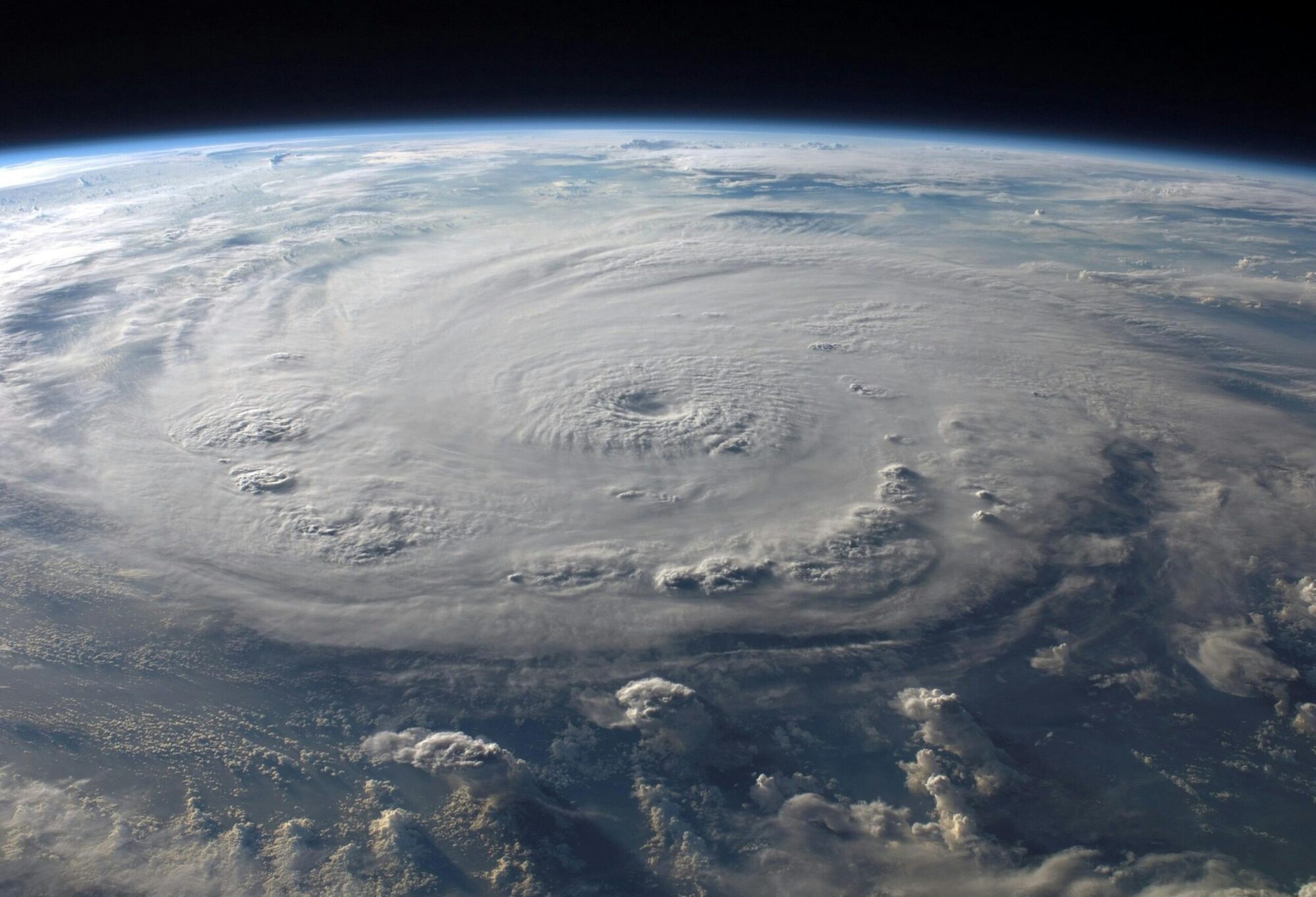
1. Introduction: Investing in the Atmosphere Itself 🌪️
What if you could generate income based on whether it rains more or less than average, or if a hurricane doesn’t hit Florida? Welcome to the esoteric world of weather-linked securities. By investing in specialized financial instruments like weather derivatives and catastrophe (CAT) bonds, sophisticated investors can earn high yields from assets completely uncorrelated to the stock market.
2. What Are Weather Derivatives?
A weather derivative is a financial contract whose value is based on a specific, measurable weather event. For example, an energy company might buy a contract that pays out if the winter is colder than average (meaning they’ll sell more natural gas). An investor on the other side of that trade receives a premium for taking on that risk. They profit if the winter is normal or warmer than average.
3. Understanding Catastrophe (CAT) Bonds
CAT bonds are a form of insurance-linked security (ILS). An insurance company, facing massive potential losses from a major hurricane or earthquake, issues a bond to investors.
- How Investors Earn Income: The bond pays a very high interest rate (yield).
- The Risk: If the specific, pre-defined catastrophic event occurs during the bond’s term, investors lose their principal, which is used to pay the insurance claims. If the event does not occur, investors get their principal back at the end of the term, having collected the high yield all along.
4. Why This is a Purely Passive (and Uncorrelated) Play
You are not trading futures or predicting the weather. You invest in a specialized fund managed by experts who build a diversified portfolio of these risks. The performance of a CAT bond has zero correlation with economic recessions, stock market crashes, or interest rate changes. Its performance is tied only to the occurrence of specific natural disasters.
5. Your Role: Investing in an ILS Fund
This is not a DIY strategy. Access is through specialized asset managers who run Insurance-Linked Securities (ILS) funds. These managers:
- Use advanced climate models to assess the probability of various events.
- Build a diversified portfolio of dozens of CAT bonds and other weather risks from different regions (e.g., Japanese earthquakes, European windstorms, US hurricanes).
- Collect the high yields and distribute them to you, the Limited Partner.
6. The US Market: The Global Center of Risk Transfer
The United States, with its exposure to Atlantic hurricanes, Midwest tornadoes, and California wildfires, is the largest and most sophisticated market for weather and catastrophe risk transfer. This creates a deep and active market for ILS funds to deploy capital.
7. Analyzing the “Trigger”: The Heart of the Bond
Every CAT bond has a specific “trigger” outlined in its prospectus. This is the exact condition that causes you to lose principal. It could be based on:
- Indemnity: The insurance company’s actual losses.
- Parametric: A specific physical event, such as a hurricane making landfall with a certain wind speed (e.g., Category 4) in a defined geographical box. Parametric triggers are more transparent for investors.
8. The Appeal: High Yield for Calculated Risk
The yields on CAT bonds are attractive, often in the range of 7% to 15% or even higher, to compensate investors for the risk of total loss. For a small, diversified slice of a portfolio, this can significantly boost overall returns.
9. How to Access These Funds
This is a niche space for accredited investors and institutions. Access is typically through:
- Private ILS Funds: Requiring high minimum investments.
- Certain Mutual Funds: A few specialized mutual funds focus on this asset class.
- Listed Reinsurers: Buying stock in publicly-traded reinsurance companies (who are major players in this market) can provide indirect exposure.
10. Climate Change: A Double-Edged Sword
Climate change is the biggest factor impacting this asset class. It may be increasing the frequency and severity of certain events, making the models more complex. Fund managers must constantly adapt their pricing and risk assessment to account for this, but it also increases the demand from insurers, potentially driving yields higher.
11. Risks: The Binary Nature
The primary risk is the binary, “all-or-nothing” nature of the investment. If the trigger event occurs, you can lose 100% of your principal for that specific bond. Diversification across many different, uncorrelated risks within a fund is the only way to mitigate this.
12. Final Thoughts: The Ultimate Uncorrelated Asset
Investing in weather risk is not for the faint of heart. It is a complex, high-stakes strategy. However, for those who can access it through a professional fund, it offers one of the purest forms of uncorrelated, high-yield passive income available anywhere in the financial universe.