1. Introduction: The Living, Breathing Asset Class 🐄
When you think of assets, stocks, bonds, and real estate come to mind. But what about an asset that can walk, eat, and reproduce? For passive investors with a taste for the tangible, partnering in a high-value, niche livestock breeding operation in the US can generate income from the sale of elite genetics, a market completely detached from Wall Street.
2. The Concept: Investing in Elite DNA
This is not about owning a commodity herd of cattle for meat. This is about owning a small number of genetically superior animals and selling their reproductive output. The product is not the animal itself, but its DNA, sold in the form of:
- Semen: From an elite bull or ram, which can be sold to hundreds of other breeders.
- Embryos: Created from a top-tier female, allowing other breeders to have offspring from her without buying her.
- Live Offspring: High-value calves, lambs, or foals sold to other breeders.
3. The Passive Investor Model: The Silent Owner
You do not need to own a farm or know how to handle animals. The model works through a partnership with an expert operating partner—an experienced, reputable breeder.
- You (The Investor): Provide the capital to purchase a genetically elite animal or a share of one.
- The Operator: Houses, feeds, cares for, and manages the animal’s breeding career.
- The Partnership: You and the operator split the revenue generated from the sales of semen, embryos, and offspring according to a pre-arranged agreement.
4. Niche Markets Beyond Standard Cattle
The most interesting opportunities are in niche markets with passionate communities:
- Wagyu Cattle: Famous for its highly marbled, premium beef. Elite Wagyu genetics are in extremely high demand globally.
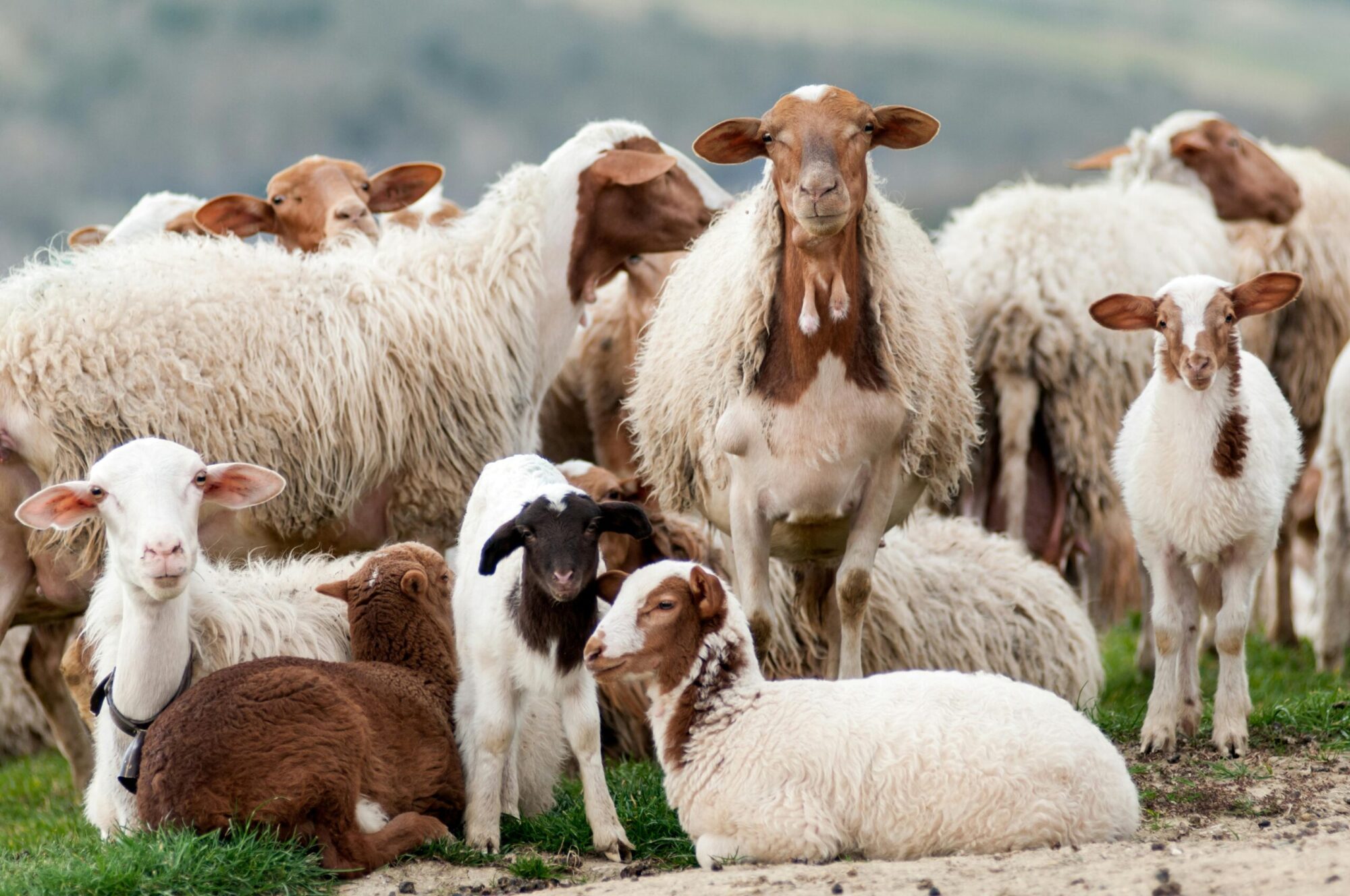
- Rare Breed Sheep and Goats: Breeds known for specialty wool, milk, or unique characteristics.
- Thoroughbred Horses: A high-stakes world where a share in a successful stallion can generate millions in breeding fees.
- Show Dogs: Investing in a top-winning show dog with a reputable handler can generate significant income from stud fees.
5. Why the US is a Leader in Animal Genetics
The United States has some of the most advanced animal science, veterinary medicine, and breeding technologies in the world. This infrastructure supports a robust and transparent market for buying and selling high-value animal genetics, complete with detailed pedigrees and performance data.
6. Due Diligence on the Animal AND the Operator
- The Animal: You must research its pedigree, its performance metrics (e.g., marbling scores for Wagyu, race record for a horse), and its physical health.
- The Operator: This is even more important. You need a partner with a long track record of integrity, animal husbandry skill, and marketing savvy within their specific breed community.
7. How the Income is Generated and Becomes Passive
After the initial investment and partnership agreement, your role is hands-off. The operator manages the collection and sale of genetics through breed-specific auctions and private sales. They handle all the logistics. You receive a quarterly or annual report and a check for your share of the profits.
8. The Financials: Long Cycles and Lumpy Returns
This is not a monthly income stream. An elite cow might only produce a certain number of viable embryos per year. A stallion can only breed a set number of mares. The income is “lumpy,” arriving after major sales. It’s a long-term, patient capital investment.
9. A Tangible, Inflation-Resistant Asset
Your asset is real and alive. In times of inflation, the costs to raise livestock (feed, land) go up, which in turn drives up the value of the finished animals and their elite genetics. It’s an asset that is inherently linked to the real cost of living.
10. The Risks: Biology and Markets
- Mortality and Health Risk: The animal could get sick, become infertile, or die. Insurance is essential to mitigate this catastrophic risk.
- Genetic “Misses”: Not all offspring from elite parents will be superstars. There is always the risk of a genetic combination not living up to its potential.
- Market Trends: Breed popularity can wax and wane. A breed that is highly sought after today may be less so in a decade.
11. The Partnership Agreement: Your Most Important Document
The legal agreement with your operating partner is critical. It must clearly define ownership, cost-sharing for feed and vet bills, revenue splits, insurance requirements, and what happens in the event of the animal’s death or the dissolution of the partnership.
12. Final Thoughts: The Ultimate Uncorrelated Investment
Investing in livestock genetics is one of the most unique, “out of the box” passive income strategies imaginable. It’s a tangible, fascinating, and completely uncorrelated asset class. It requires a high degree of trust in your operating partner, but it offers a chance to own a piece of a living, breathing champion that generates returns from the very building blocks of life.