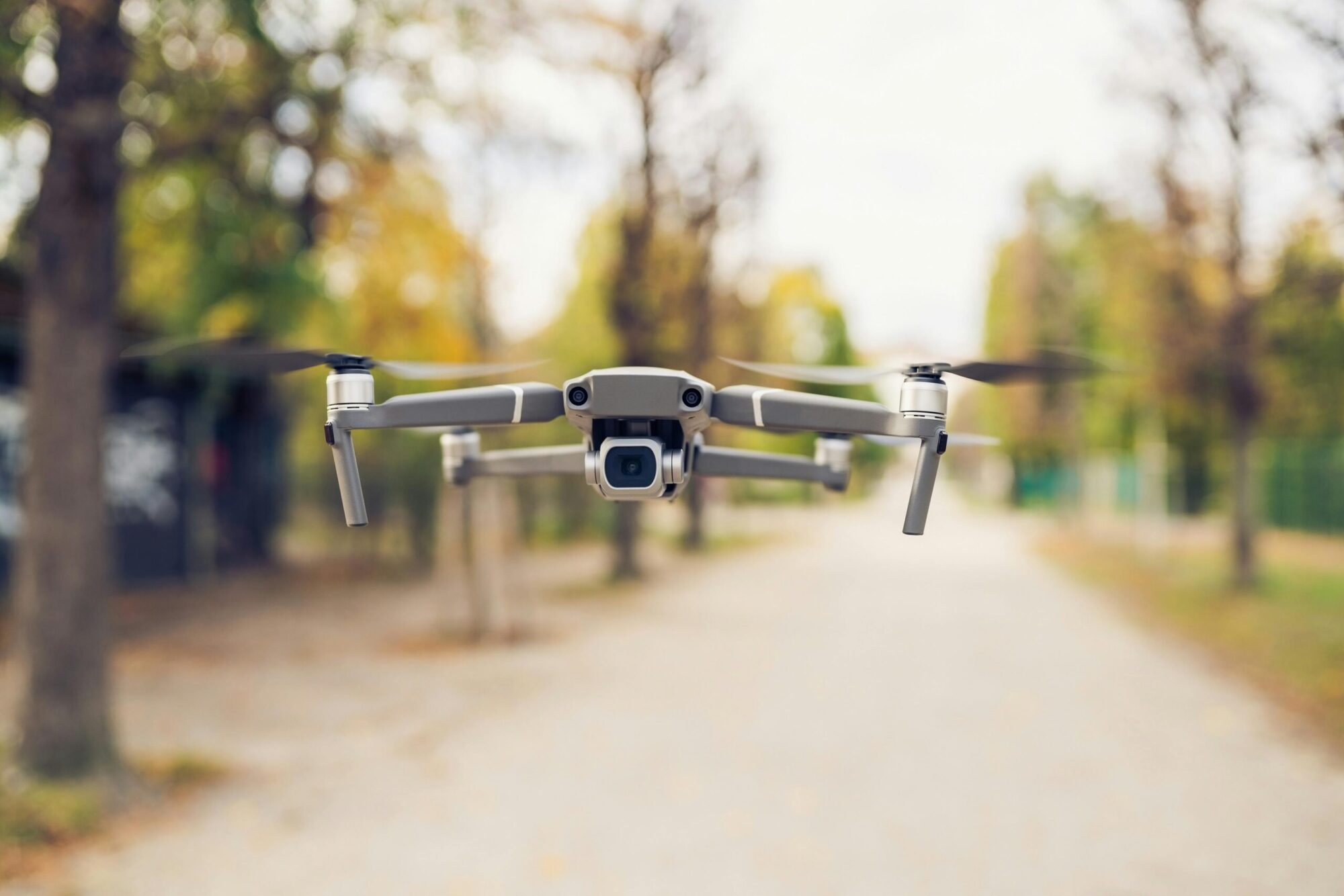
1. Introduction: The Drone as a Business Tool 🚁
Drones have evolved from a hobbyist’s toy to an indispensable industrial tool. Across the booming industrial, agricultural, and real estate sectors of the MENA region, drones are providing essential data and services. For a passive investor, owning a fleet of specialized drones and leasing them through a management company can create a futuristic, tech-driven income stream.
2. The Business Model: Drone-as-a-Service (DaaS)
The core concept is to provide the expensive hardware (the drones) and a certified pilot to companies that need drone services but don’t want to own and manage their own fleet. This is an operational leasing model. Your asset—the drone—is the revenue-generating unit.
3. The Passive Investor’s Role: The Silent Fleet Owner
You are not flying the drones or looking for clients. Your role is to be the capital partner.
- You (The Investor): Purchase the high-end commercial drones and specialized sensors (e.g., thermal cameras, LiDAR scanners).
- The Operating Partner (A Drone Service Company): This professional company manages your fleet. They find the clients, provide certified pilots, maintain the equipment, handle regulatory compliance, and execute the jobs.
- The Partnership: You receive a significant share of the revenue generated by your drones, paid out monthly or quarterly.
4. High-Value Niche Markets in the MENA Region
The opportunities in the Gulf are immense and unique:
- Real Estate & Construction: Providing aerial surveying and progress monitoring for the region’s giga-projects (like NEOM in Saudi Arabia or new developments in Dubai).
- Oil & Gas: Using drones with thermal sensors to inspect pipelines and other infrastructure for leaks or damage, which is safer and cheaper than manual inspection.
- Agriculture: Monitoring the health of vast date palm plantations or identifying irrigation issues in arid farming environments.
- Security and Surveillance: Providing aerial monitoring for large industrial sites or private estates.
5. The Hardware: More Than Just a Camera Drone
Commercial drones are sophisticated and expensive pieces of equipment. A professional setup can cost anywhere from $10,000 to $50,000+ and includes:
- The Drone (Airframe): A robust, reliable drone from a brand like DJI Enterprise or Wingtra.
- The Payload (Sensor): The real value is in the sensor. This could be a high-resolution camera, a thermal imaging sensor, or a LiDAR unit for creating detailed 3D maps.
6. Why This is a Great Model for the MENA Region
The regulatory environment in countries like the UAE is becoming very advanced and supportive of commercial drone use. The wide-open spaces and large-scale industrial projects create a perfect environment for drone operations, with a clear and demonstrable return on investment for the clients.
7. Finding Your Operating Partner
This is the most critical decision. You need to partner with an established, professional drone service company that has:
- Proper Licensing and Certification: They must be fully licensed by the local civil aviation authority.
- A Strong Client Base: They should have a proven track record and existing contracts.
- Insurance: Comprehensive liability and hull insurance for the drones is non-negotiable.
- Technical Expertise: They must know how to maintain the equipment and process the data collected.
8. How Passive Income is Generated
The operating partner charges clients on a per-project, daily, or hourly basis. From this gross revenue, they deduct their operational costs and management fee. The remaining net profit is then split with you, the asset owner, according to your partnership agreement.
9. Risks: Regulation, Technology, and Accidents
- Regulatory Risk: Drone laws can change. A new restriction on flying in certain areas could impact the business.
- Technological Obsolescence: Drone technology is advancing rapidly. Your equipment will depreciate and need to be upgraded every few years.
- Accidents: Drones can crash due to pilot error or technical failure. Strong insurance is essential to cover the replacement cost of the hardware.
10. A Scalable Business Model
You can start by owning a single drone and sensor package. As that asset generates positive cash flow, you can reinvest the profits into acquiring a second drone, perhaps with a different sensor to serve a different industry, allowing you to scale your passive income.
11. Due Diligence on the Numbers
Before investing, you need a clear projection from the operating partner showing the expected utilization rate of the drone, the average daily revenue rate, all operating costs, and your resulting net cash flow and return on investment.
12. Final Thoughts: A High-Tech Infrastructure Play
Owning and leasing commercial drones is a forward-looking, tangible asset investment. It taps into the technological transformation happening across the MENA region’s most important industries. For the passive investor, it offers a unique way to profit from the data revolution, with your “eyes in the sky” generating income on the ground.