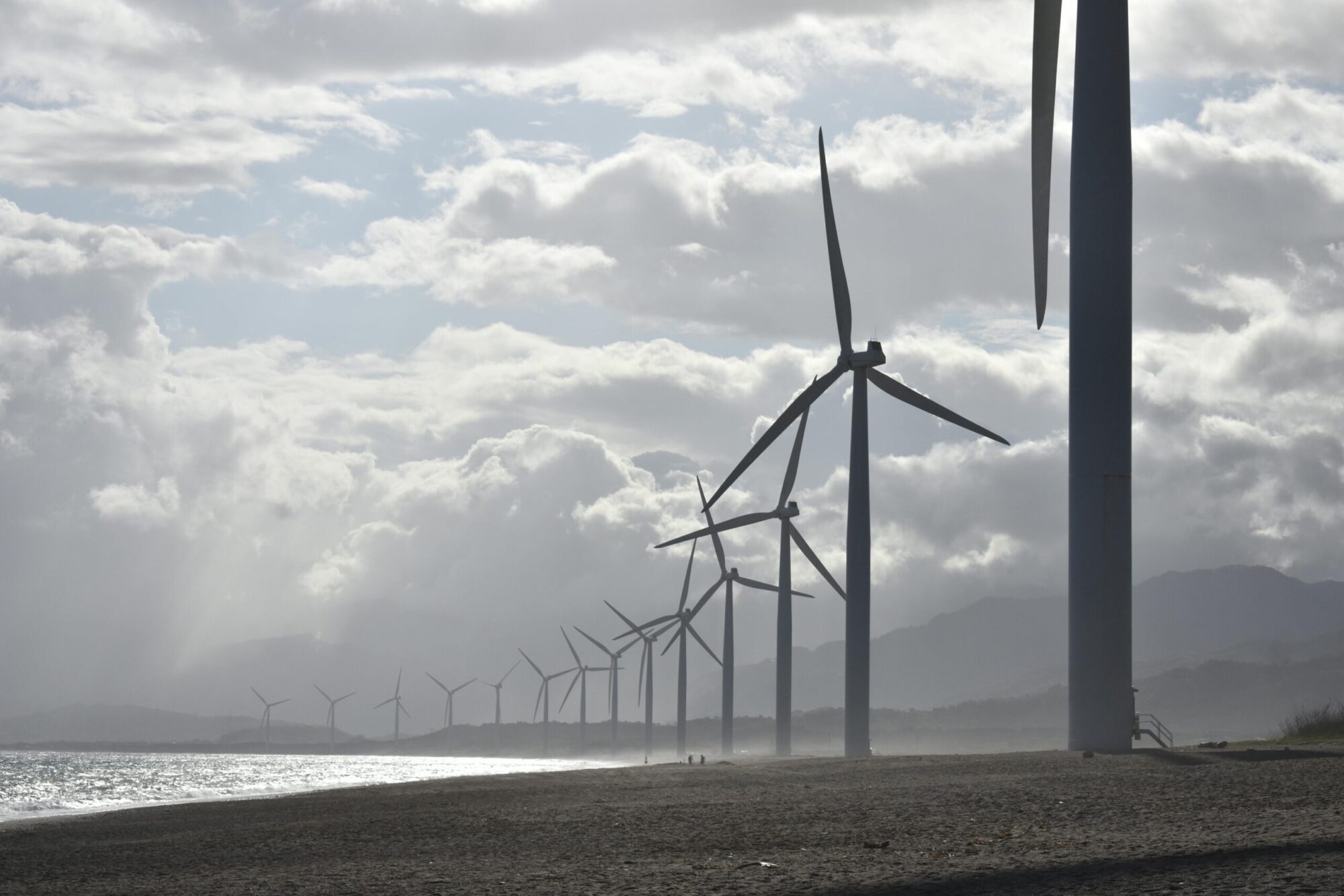
Green Growth: Powering Your Portfolio with European Renewable Energy Investments
Europe is leading the global charge towards a sustainable future, and this green transition has unlocked a unique passive income opportunity for everyday investors. By investing in renewable energy projects like solar parks and wind farms, you can generate a steady financial return while contributing to a cleaner planet.
Introduction
Across the European Union, ambitious climate goals are driving massive investment in renewable energy. To fund this transition, many projects are turning to citizen investors. This allows individuals to buy a stake in a local wind turbine or a solar farm in sunny Southern Europe, earning a share of the profits generated from selling clean electricity to the grid.
Definition & Explanation
This form of passive income involves investing capital into a renewable energy project, typically through a specialized cooperative or a crowdfunding platform. In return for your investment, you receive regular payments (often annually) based on the project’s energy production and profitability. The investment can take the form of equity (ownership) or a loan (debt).
Rise in Popularity
The popularity of this investment has grown due to a “perfect storm” of factors: strong government support for renewables (subsidies and feed-in tariffs), increasing public concern about climate change, and a desire for stable, ethical investments that offer better returns than near-zero interest bank accounts. Platforms across Europe have emerged to facilitate these investments, making them highly accessible.
Why People Choose This Method
- Stable, Predictable Returns: Energy production from sources like wind and solar is reasonably predictable over the long term, and electricity sales are often secured through long-term contracts, leading to stable cash flows.
- Ethical Investment: It allows investors to align their money with their values, directly supporting the transition away from fossil fuels.
- Tangible Asset: Like real estate, you are investing in a physical asset—a real wind turbine or solar panel—which provides a sense of security.
- Low Correlation: Returns are based on energy production and electricity prices, which often do not correlate with the stock market, providing excellent portfolio diversification.
Benefits
- Short-term: Regular dividend or interest payments provide a source of passive income.
- Long-term: Being part of a long-term solution to climate change. The value of renewable energy assets is expected to grow as carbon pricing and environmental regulations become stricter.
Risks & Limitations
- Regulatory Risk: Changes in government subsidies or energy policy can impact a project’s profitability.
- Operational Risk: Technical issues, lower-than-expected wind speeds, or less sunshine can reduce energy output and financial returns.
- Illiquidity: Investments are typically long-term commitments (5-20 years) with very limited options to sell your stake early.
- Project Failure: While rare, new development projects can fail to get off the ground.
Economic & Regional Factors
The EU’s “Green Deal” and national targets provide a powerful tailwind for the sector. Germany’s Energiewende (energy transition) has a long history of community-owned energy projects. Countries like Spain and Greece are ideal for solar, while North Sea countries like Denmark and the Netherlands are prime locations for wind energy.
Taxation & Legal Aspects
The tax treatment of returns varies across Europe. In some countries, there are tax incentives for investing in green projects. For example, income might be taxed at a lower rate or be eligible for certain tax credits. Platforms and cooperatives are subject to national financial regulations, offering a degree of investor protection.
Strategies to Maximize Returns
- Choose Operational Projects: Investing in already-built and operational farms is less risky than funding new developments.
- Geographic Diversification: Invest in a mix of solar and wind projects across different European countries to balance weather-related risks.
- Understand the Structure: Know whether you are investing in equity (higher risk/reward) or debt (lower risk/fixed return) and check the terms of the power purchase agreement (PPA).
Practical Regional Case Studies
- A Teacher in Denmark: Is a member of a local wind turbine cooperative. She invested €5,000 and receives an annual dividend based on the turbine’s electricity sales, yielding around 5-7% per year.
- A Retiree in France: Uses a crowdfunding platform like Lendosphere to make small loans to various solar farm projects in the south of France. This provides her with a diversified stream of fixed-interest payments to supplement her pension.
Conclusion: Future Outlook
As Europe doubles down on its climate commitments for 2030 and beyond, the need for investment in renewables will only intensify. Citizen-funded energy is set to become an even more mainstream asset class. For European investors, it offers a unique chance to generate a reliable, long-term passive income while actively participating in one of the most important economic transitions of our time.
nooooooooooo
yessssssssssssssss