1. Introduction: Beyond Renting Your Car or Home 🚜
When people hear “sharing economy,” they think of Airbnb or Uber. But a far larger, more lucrative segment exists in the Business-to-Business (B2B) world. This involves purchasing high-value, specialized equipment and leasing it to businesses in Europe’s diverse industrial, agricultural, and medical sectors for a steady stream of passive income.
2. The Core Concept: Capital-Intensive Assets, Shared Use
Many small and medium-sized enterprises (SMEs) in Europe need expensive, specialized equipment to operate, but they can’t afford the upfront capital expenditure or don’t need it full-time. By owning this equipment and leasing it out, you provide a crucial service while your asset generates cash flow.
3. Profitable Niches in the European Market
Europe’s economy provides a wealth of opportunities. Consider equipment for:
- Agriculture Technology (AgriTech): Specialized drones for crop monitoring, automated harvesting machines for vineyards in France or Italy.
- Construction: High-end laser scanners, mini-excavators for urban renewal projects in Germany.
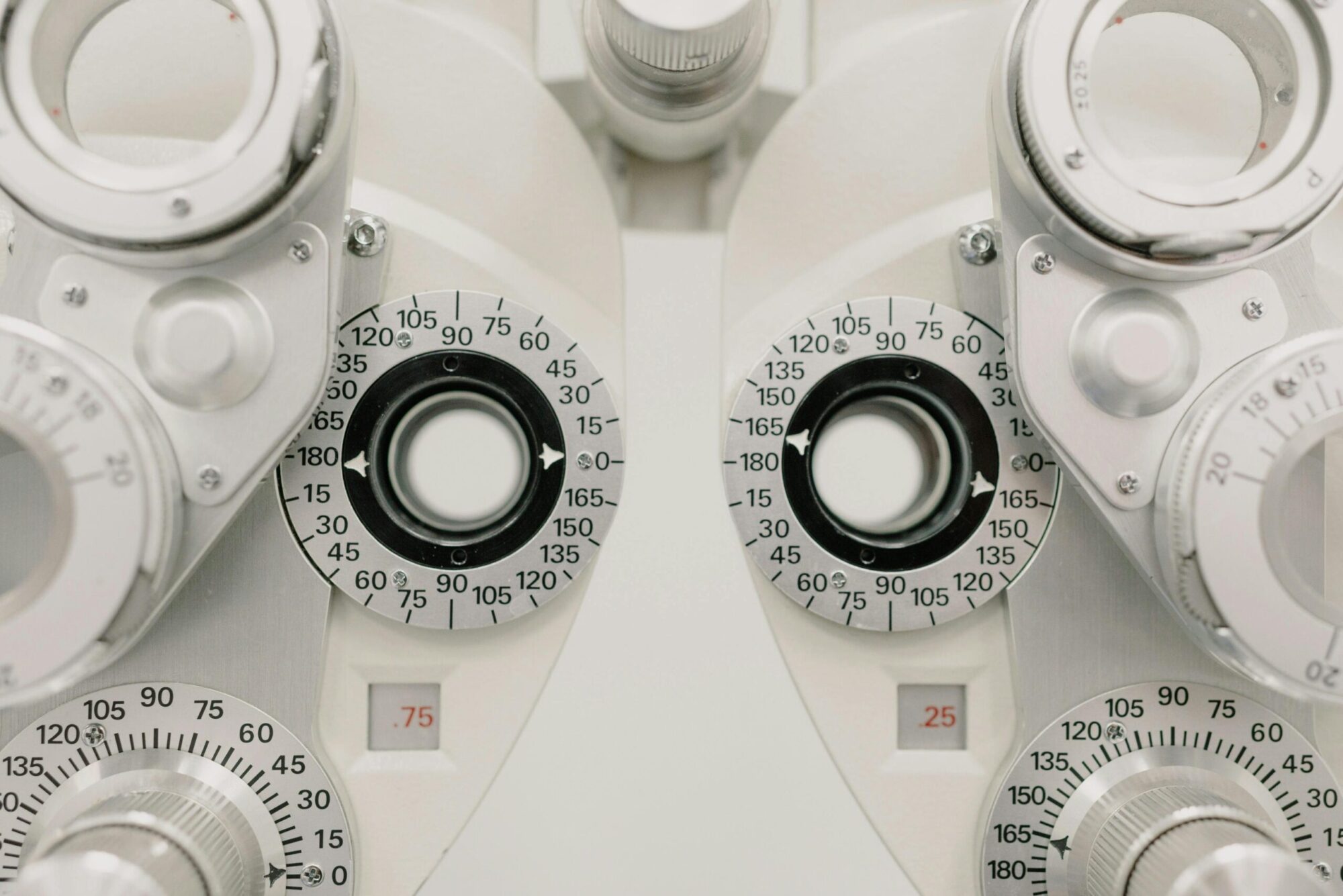
- Medical & Dental: Portable ultrasound machines or specialized dental imaging equipment for private clinics.
- Events & Media: High-resolution LED video walls, professional-grade cameras and lighting for Europe’s bustling conference and festival circuit.
4. Step 1: Niche Selection and Asset Acquisition
The key is to choose a niche you understand or can research thoroughly. Don’t buy a generic bulldozer; buy a specialized piece of equipment with high demand and limited supply. You’ll need to fund the purchase yourself, through a business loan, or by pooling funds with other investors.
5. Step 2: Finding Your Customers (The Lessees)
You can find businesses to lease your equipment to through:
- Online Rental Platforms: There are B2B platforms specifically for equipment rental (like LECTURA or Machineseeker).
- Direct Outreach: Contacting businesses in your target industry directly.
- Partnering with a Management Company: The most passive option is to work with a local equipment rental company that will find customers, handle maintenance, and manage logistics for a share of the rental income.
6. Structuring the Lease Agreement
Your lease agreement is your most important document. It should clearly outline:
- Lease Term: Daily, weekly, monthly, or long-term.
- Rental Rate: The price you charge.
- Insurance: The lessee must have proof of adequate insurance to cover any damage or theft.
- Maintenance: Who is responsible for routine maintenance and repairs.
- Liability: Clear terms on who is responsible in case of an accident.
7. The Financials: Calculating Your Return on Investment (ROI)
Your ROI will depend on:
- Purchase Price of the Asset
- Average Annual Rental Income (factor in utilization rate – it won’t be rented 100% of the time)
- Ongoing Costs: Insurance, storage, maintenance, and platform/management fees.
- Depreciation: The value of the equipment will decrease over time. A successful investment will generate enough cash flow to cover all costs and provide a healthy profit.
8. The Importance of Maintenance and Upkeep
This is not a completely “set it and forget it” investment. The equipment must be kept in excellent working condition to be attractive to renters and to maintain its value. If you’re not doing it yourself, you must hire a reliable service to handle this. This is the “semi-passive” part of the equation.
9. Why This Model Works Well in Europe
The European Union’s single market makes it relatively easy to transport and lease equipment across borders (e.g., from Belgium to the Netherlands). Furthermore, Europe has a strong culture of quality and a high density of specialized SMEs that form the ideal customer base for this business model.
10. Scaling Your Operation
Once your first piece of equipment is successfully generating income, you can use the profits and your proven track record to secure financing for a second, then a third piece of equipment. You can either go deeper into one niche or diversify into another related industry.
11. Risks: Damage, Downtime, and Economic Cycles
The main risks are your equipment being damaged by a lessee, extended periods of “downtime” when you can’t find a renter, and economic downturns when businesses cut back on their spending and projects, reducing demand for rental equipment. Proper insurance and a cash reserve are essential.
12. Final Thoughts: A Tangible B2B Passive Income Stream
Leasing specialized equipment is a hands-on yet powerful way to generate passive income. It allows you to own real, tangible assets that serve a vital function in the European economy. It requires more capital and diligence than buying a stock, but the potential for high, steady returns can be significantly greater.