1. Introduction: Owning a Piece of the Dream 🌴
Have you ever dreamed of owning a luxury apartment overlooking the Dubai Marina or a share in a productive Saudi Arabian date farm? Traditionally, such investments were only accessible to the ultra-wealthy. Today, thanks to technology and innovative new platforms, fractional ownership is making it possible for everyday investors to buy a slice of these high-value MENA assets and earn passive income from them.
2. What is Fractional Ownership?
Fractional ownership is a method of investment where the cost of an asset is divided among multiple owners. Each investor owns a legal, transferable share of the asset. It’s different from a REIT, where you own shares in a company that owns properties; here, you co-own the specific asset itself.
3. The Technology Driving the Trend: Blockchain and Crowdfunding
This revolution is powered by two key technologies:
- Crowdfunding Platforms: These online platforms vet assets, handle the legal work, and pool money from multiple small investors to purchase a large asset.
- Blockchain (Tokenization): Some platforms are now “tokenizing” assets. They create a digital token on a blockchain to represent each fraction of ownership, making it easier to buy, sell, and trade your share.
4. Asset Class 1: Luxury Real Estate
The MENA region, particularly Dubai and Abu Dhabi, is famous for its “trophy” real estate assets. Fractional ownership platforms allow you to buy a share of a high-end apartment or villa. The passive income comes from your share of the rental income generated by the property, which is managed by a professional property management company.
5. Asset Class 2: Agricultural Land (Date & Olive Farms)
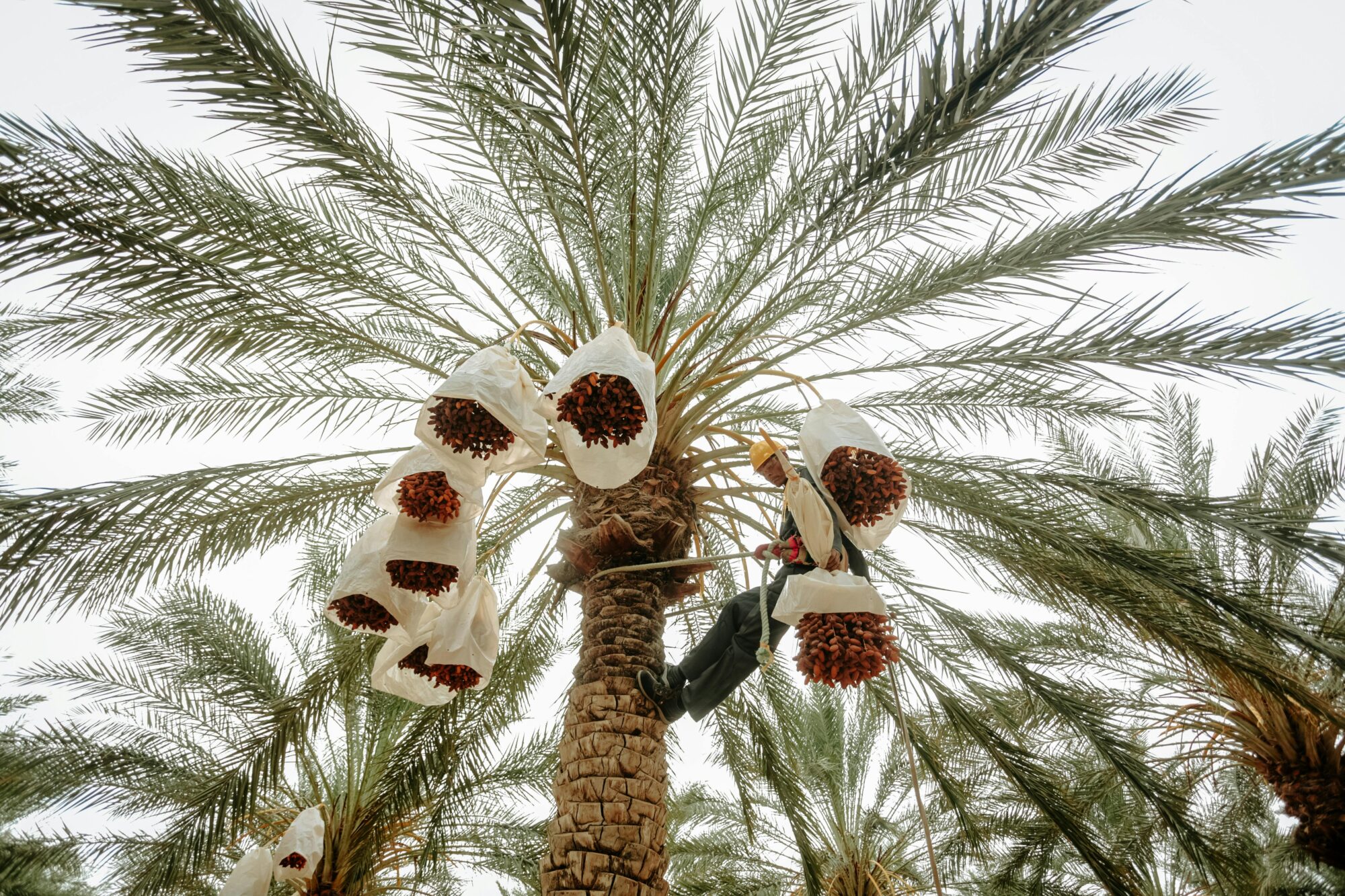
Beyond the gleaming cities, the MENA region has a rich agricultural heritage. Platforms are emerging that allow investors to buy fractional ownership of productive date palm groves in Saudi Arabia or olive farms in Jordan. Your passive income is a share of the profits from the annual harvest, making it a tangible, real-economy investment.
6. How the Process Works: A Step-by-Step Guide
- Platform Selection: Choose a reputable fractional ownership platform operating in the MENA region. Do your due diligence on their track record, fees, and legal structure.
- Asset Browsing: The platform will list available investment opportunities with detailed information, including expected rental yield or crop yield, photos, and legal documents.
- Investment: You decide how many fractions (or tokens) you want to buy and invest your money through the platform.
- Legal Ownership: The asset is typically held in a Special Purpose Vehicle (SPV), and you own shares in that SPV, giving you legal title to your fraction.
- Passive Income: The platform’s management partner handles all operations (renting the apartment, managing the farm). You simply receive your share of the net income in your account periodically.
7. The Benefits: Diversification and Access
Fractional ownership allows you to:
- Access High-Value Assets: Invest in properties or land that would be impossible to afford on your own.
- Diversify Your Portfolio: Easily spread a smaller amount of capital across different types of assets (e.g., one fraction in a Dubai apartment, one in a date farm).
- Truly Passive Management: All day-to-day operational headaches are handled for you.
8. Understanding the Fee Structure
Platforms are not free. They typically charge several types of fees:
- Acquisition Fee: An upfront fee when the property is first purchased.
- Management Fee: An ongoing percentage of the gross income to cover operational costs.
- Exit Fee: A fee when the property is eventually sold. Make sure you understand all fees before investing, as they will impact your net returns.
9. Risks: Illiquidity and Platform Risk
- Illiquidity: Your main risk is liquidity. It’s not as easy to sell your fraction as it is to sell a public stock. You may have to wait for the platform to open a secondary market or for the asset to be sold entirely.
- Platform Risk: You are relying on the platform to manage the asset properly and operate ethically. If the platform fails, it could complicate your investment.
10. The Regulatory Landscape
This is a new and evolving area of finance. Look for platforms that are regulated by established financial authorities like the Dubai Financial Services Authority (DFSA) or the Abu Dhabi Global Market (ADGM). Regulation provides an important layer of investor protection.
11. Exit Strategy: How You Get Your Principal Back
Typically, there is a pre-determined holding period for the asset (e.g., 5 years). At the end of this period, the asset is sold on the open market, and all the fractional owners receive their pro-rata share of the net sale proceeds, in addition to the income they earned along the way.
12. Final Thoughts: A Modern Way to Own Hard Assets
Fractional ownership is democratizing access to the most desirable assets in the MENA region. It offers a tangible, easy-to-understand way to generate passive income from real estate and agriculture. While it’s a newer investment model, for those comfortable with the liquidity risk, it’s an exciting way to build a unique and diversified investment portfolio.